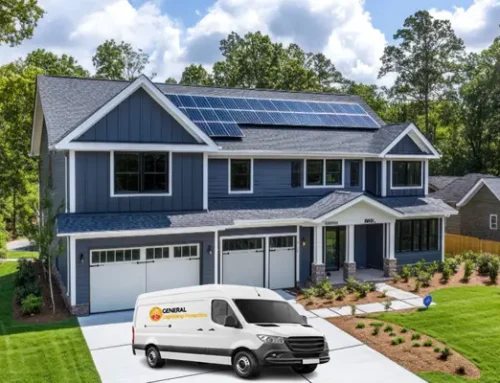

Is Your Property Prepared for Lightning Season in Texas and Florida?
Thunderstorms are a regular part of life in both Texas and Florida. With powerful storm systems moving in from the Gulf, intense summer heat, and frequent lightning-producing weather patterns, property owners in these states face one unavoidable reality:
Lightning strikes are not a matter of if — but when.
The real question is whether your home or commercial building is properly protected.
At General Lightning Protection, we design and install engineered lightning protection systems that help safeguard properties throughout Texas and Florida from costly and dangerous lightning damage.
Why Texas and Florida Face Elevated Lightning Risk
Both states consistently experience high thunderstorm activity each year.
Florida
Florida’s subtropical climate creates near-daily thunderstorms during peak summer months. The combination of humidity, heat, and sea breeze convergence makes lightning a frequent threat across the state.
Texas
Texas experiences strong spring storm systems, Gulf moisture surges, and large-scale thunderstorms that produce significant lightning activity statewide — from coastal regions to inland metropolitan areas.
According to the National Weather Service, both Texas and Florida rank among the most lightning-prone states in the country.
For property owners, that means consistent exposure to potential strike events.
What Types of Buildings Are Most Vulnerable?
Lightning follows the path of least resistance. Certain building characteristics increase strike probability and potential damage:
- Tall structures or multi-story buildings
- Rooftop mechanical equipment
- Metal roofing systems
- Buildings located in open areas
- Properties near water or flat terrain
- Isolated facilities such as warehouses or agricultural buildings
Residential homes are not exempt. In fact, custom homes with elevated rooflines, chimneys, or metal architectural features can be prime strike points.
The Real Cost of a Lightning Strike
A lightning strike releases enormous electrical energy in a fraction of a second. Without a properly installed protection system, that energy can travel through structural components and electrical systems.
Possible consequences include:
- Roof and attic fires
- Electrical panel destruction
- Damage to HVAC units
- Data loss and IT system failure
- Equipment burnout
- Business interruption
- Structural damage
Even nearby strikes can cause power surges that damage internal systems without visible exterior impact.
Why Surge Protection Alone Is Not Enough
Many property owners rely solely on surge protectors. While surge devices are important, they only address electrical spikes after lightning energy enters the building.
A complete lightning protection system works differently.
It intercepts the strike and provides a controlled path to ground before destructive energy moves through structural or electrical components.
A properly engineered system typically includes:
- Strike termination devices (air terminals)
- Heavy-duty conductors
- Grounding electrode systems
- Bonding of metal components
- Integrated surge protection
Together, these components form a continuous, low-resistance path to safely dissipate lightning energy into the earth.
Built to Recognized Safety Standards
Professional lightning protection systems are designed according to nationally recognized safety standards, including:
- National Fire Protection Association guidelines (NFPA 780)
- Underwriters Laboratories installation standards (UL 96A)
These standards establish engineering criteria for proper placement, grounding, bonding, and system performance.
Who Should Consider Lightning Protection?
In Texas and Florida, lightning protection is strongly recommended for:
- Residential homes and estates
- Commercial office buildings
- Industrial facilities and warehouses
- Schools and universities
- Religious facilities
- Healthcare buildings
- Agricultural properties
- Data centers and technology facilities
If lightning damage would disrupt operations, threaten safety, or result in costly repairs, installing a professionally engineered system is a proactive investment.
Signs Your Property May Need Evaluation
You may want to schedule a lightning risk assessment if:
- Your building is one of the tallest in the area
- It contains valuable electronics or mission-critical systems
- It is located near water, open land, or elevated terrain
- You have experienced surge damage in the past
- You are expanding or adding rooftop equipment
A professional assessment helps determine exposure level and system requirements.
Protect Before the Storm Arrives
Lightning damage occurs instantly — but prevention is planned in advance.
Waiting until after a strike can result in:
- Unexpected repair costs
- Insurance claims and deductibles
- Operational downtime
- Increased safety risks
Proactive protection reduces vulnerability and provides long-term peace of mind.
General Lightning Protection — Serving Texas and Florida
General Lightning Protection provides professional lightning protection system design, installation, inspection, and maintenance services across Texas and Florida.
Our services include:
- Residential lightning protection systems
- Commercial and industrial system installation
- Grounding and bonding solutions
- Surge protection integration
- System inspections and compliance verification
We understand the unique storm patterns in both states and build systems engineered to perform in high-risk environments.
Schedule a Lightning Risk Assessment Today
If your property is located in Texas or Florida, lightning protection should be part of your overall risk management strategy.
Contact General Lightning Protection today to schedule a professional evaluation and ensure your property is prepared before the next storm system develops.